Opening Act to Encore: How We Engineered Our Museum Layout Like the Greatest Rock Setlist Ever Written
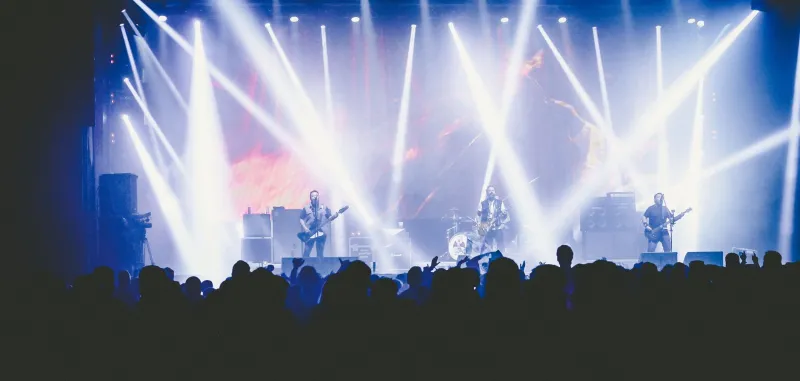
Think about the last time you saw a truly great live show. It probably didn't open with the band's heaviest, most emotionally exhausting track. And it almost certainly didn't fade out on a forgettable deep cut. Instead, you got pulled in slowly, lifted higher and higher, dropped into something unexpectedly intimate, and then launched into a finale that sent you home buzzing. That's not an accident. That's craft.
Now think about the last time you walked through a museum and felt genuinely moved — not just informed, but emotionally carried somewhere. If you've been through our doors here at Rock Legends Wax Museum, we're hoping that's exactly what happened to you. And if you've ever wondered why the experience feels less like a tour and more like a show, well — that's also not an accident.
We sat down with the team behind our exhibit design to break down how they think about visitor flow, and what they borrowed from five decades of rock 'n' roll stagecraft to do it.
The Opening Riff: First Impressions Are Everything
"Every great setlist has an opener that tells the crowd exactly what kind of night they're in for," says our lead exhibit designer, who has spent the better part of a decade building immersive entertainment spaces. "We thought about our entrance the exact same way. You don't walk in and immediately get hit with something that requires deep context. You get hit with energy."
That's why the museum's first major exhibit is built around the raw, electric chaos of rock's earliest years — the kind of stuff that makes your pulse jump before your brain even has time to process it. Loud. Visceral. Immediately recognizable. It's the equivalent of a band opening with a crowd-pleaser, something that gets everyone on their feet before the sweat has even started.
The goal, the team explains, isn't to educate first. It's to hook first. Education, emotion, and nuance — those come later, once you're already invested.
Building the Middle: Tension, Release, and the Art of the Slow Burn
Here's where most museums get it wrong, and where rock bands have always had the edge: the middle.
A setlist that's all bangers gets exhausting. A setlist with no bangers puts people to sleep. The magic is in the sequencing — knowing when to pull back, when to get weird, when to drop something unexpected that recontextualizes everything that came before it.
"We think of our mid-museum galleries the way a band thinks about their third and fourth songs," our designer explains. "You've got the crowd. Now you deepen it. You show them something they didn't know they needed to see."
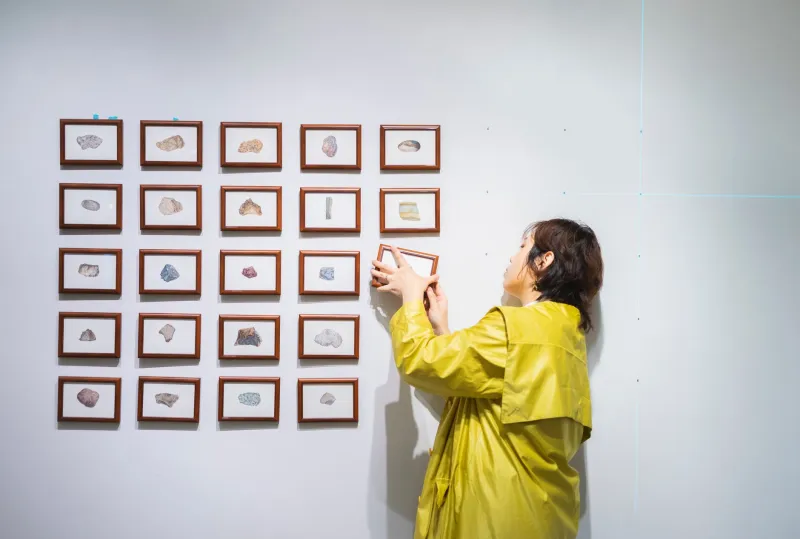
In practice, that means deliberately placing quieter, more intimate exhibits between high-energy showcases. A gallery dedicated to handwritten lyrics or personal artifacts — the stuff that reminds you these legends were actual human beings — sits right between two of our most visually overwhelming installations. It's a breathing room. A moment of stillness that makes the next big swing hit even harder.
Psychologists who study audience behavior call this "affective contrast" — the idea that emotional impact is amplified when it follows something tonally different. Rock bands figured this out intuitively decades ago. We just applied it to square footage.
The Emotional Peak: Your "Don't Stop Believin'" Moment
Every great setlist has that moment. The one where the whole room becomes one thing. Strangers grab each other's arms. People who swore they weren't going to cry are absolutely crying.
For a concert, it's usually the song everyone came to hear — the one that's been teased and withheld just long enough that when it finally arrives, the release is almost physical.
For us, it's the moment we've been architecturally building toward since you walked in the door.
We're not going to spoil exactly where it lives in the museum, because the whole point is the journey to it. But we will say this: our designers spent more time debating the placement of our centerpiece installation than almost any other single decision in the building's layout. Too early, and you peak before you've earned it. Too late, and visitors arrive emotionally spent rather than emotionally primed.
"We must have moved it four times on paper before we landed on it," our designer admits. "And every time, we were asking the same question a band asks when they're sequencing an album: when does this hit hardest?"
The Cool-Down and the Closer: Leaving on Your Terms
One of the most underrated skills in rock performance is knowing how to end a show. Not just the finale — the whole wind-down. The moment after the last big anthem where the band strips it back, plays something raw and real, and reminds you why you fell in love with them in the first place.
Our exit galleries are designed with exactly that philosophy in mind. After the peak, after the spectacle, you move through spaces that feel more reflective. More personal. Exhibits that ask you to sit with what you've just experienced rather than immediately chase the next hit of adrenaline.
And then the closer — which, like any good encore, sends you back out into the world with something to hold onto. Something that makes you want to come back.
"We want people to leave the way you leave a great show," our designer says. "A little overwhelmed. Already nostalgic for something that just happened. Wanting to tell everyone they know about it."
Why This Matters More Than You Might Think
This isn't just design nerdery for its own sake. The way a space is sequenced has a measurable effect on how people feel, what they remember, and whether they come back — or recommend the experience to someone else.
Rock music has always understood this intuitively. The greatest bands in history weren't just great musicians; they were great architects of experience. They understood that a show is a journey with a shape, and that shape determines everything.
We built this museum because we believe rock history deserves to be felt, not just observed. And if we've done our job right, walking through our doors should feel less like flipping through a textbook and more like standing in the crowd at the greatest concert you've ever seen.
The setlist is set. The house lights are going down. Come see what we've built for you.