First, Last, and Everything in Between: How the Order You Meet Rock Legends Rewires Your Memory
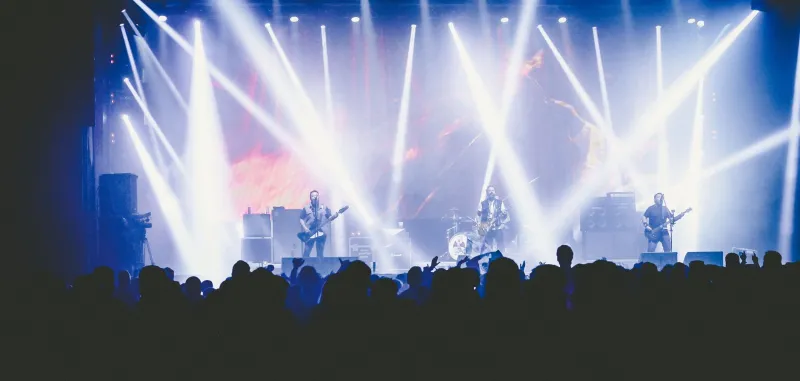
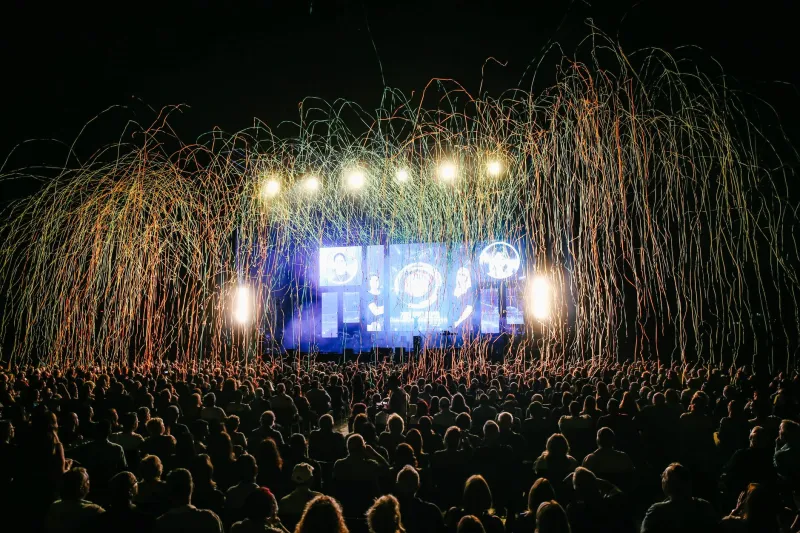
Think back to the last great concert you attended. Chances are you can nail the opener and the closer without breaking a sweat. The four songs wedged between the second and third costume change? A little fuzzier, right? That's not a flaw in your memory — that's your brain doing exactly what it was built to do. And at Rock Legends Wax Museum, we've built our entire visitor routing strategy around that quirk.
Welcome to what we quietly call the Setlist Effect.
Your Brain Has a Built-In Highlight Reel
Psychologists have studied something called the serial position effect for decades. In plain English, it means people tend to remember the first things they encounter (primacy effect) and the last things they encounter (recency effect) far better than anything sandwiched in the middle. The stuff in the middle? It tends to blur together unless something dramatic yanks your attention back.
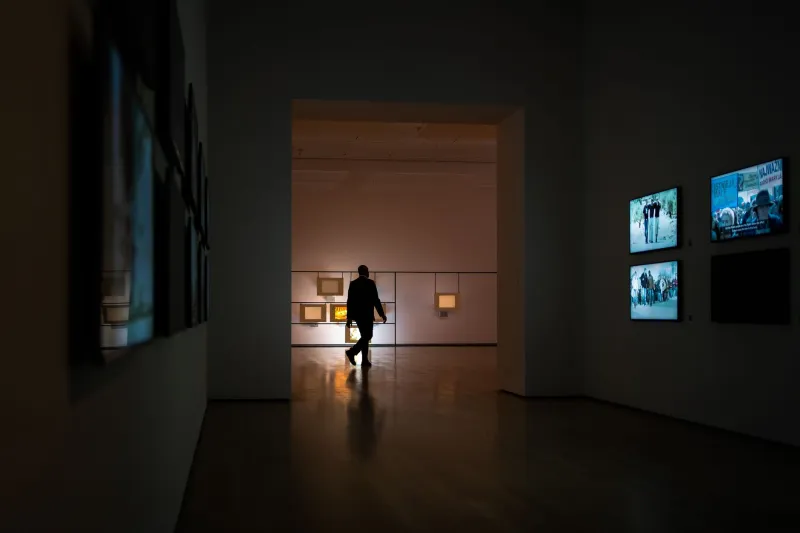
Now apply that to a museum visit. If you wander into a gallery and stumble onto Jimi Hendrix before you've even caught your breath from the parking lot, followed by a string of equally massive figures, followed by a random exit through a gift shop — your brain has no real architecture to hang those memories on. Everything competes with everything else. Nobody wins.
But sequence that same experience with intention? Suddenly every legend you meet feels more distinct, more meaningful, and — this is the part that genuinely excites us — more permanently burned into your memory.
The Opening Act Carries More Weight Than You Think
We obsess over which figure greets visitors first. Not because we're trying to play favorites, but because the primacy effect is ruthless. Whatever you see first becomes the emotional anchor for everything that follows. It sets the tone, the expectation, the mood.
If we open with a figure that's visually arresting but emotionally neutral, you walk through the rest of the museum in a kind of pleasant, detached appreciation mode. Fine. Forgettable. But if we open with someone whose presence immediately triggers a memory — a song, a road trip, a first concert, a late-night drive with someone you loved — you carry that emotional charge with you through every room. Every subsequent legend gets filtered through that feeling.
We've experimented with different opening configurations, and the data from visitor feedback is consistent: emotionally resonant openers lead to higher overall satisfaction scores, more social media shares, and longer average visit times. People linger when they're already feeling something.
The Middle Is Where Museums Usually Lose People
Here's the honest truth about museum design that most venues don't want to admit: the middle of any experience is where attention goes to die. The novelty of arrival has worn off. The anticipation of the finale hasn't kicked in yet. Visitors are physically tired, mentally saturated, and their phones are probably at 40% battery.
This is the zone where a lot of rock museums essentially flatline. Room after room of equally important, equally well-presented legends with no variation in pacing, no unexpected turns, no emotional gear-shifts. The brain interprets that as sameness, and sameness is forgettable by design.
Our solution? We treat the middle of the museum like the middle of a killer album — the place where you take creative risks. We break up the sequence with unexpected juxtapositions. A thunderous hard rock figure followed by a stripped-down acoustic moment. A massive stadium-era icon followed by an intimate, early-career snapshot. These tonal shifts don't just keep you awake; they create contrast, and contrast is what makes individual memories stick out from the crowd.
There's also what we call the "buried treasure" strategy. We place one or two genuinely surprising exhibits — something you didn't know you needed to see — in the sections of the museum that would otherwise get sleepwalked through. When visitors hit something unexpected mid-visit, their attention resets almost completely. That reset is gold.
The Closer Has to Earn Its Spot
The recency effect means your final impressions carry enormous weight. Whatever you walk away with last is what your brain treats as the emotional summary of the whole experience. It's the note that hangs in the air after the last chord.
A weak closer doesn't just end the visit on a low note — it retroactively dims the memories that came before it. Visitors may not be able to articulate why they feel slightly underwhelmed, but the science is clear: a flat finale flattens everything.
We think about our exit sequence the way a headliner thinks about their last song. It needs to feel earned. It needs to feel big. Not necessarily loud or flashy — sometimes the most powerful closers are quiet and deeply personal. But it has to land with weight, because that landing is what you're carrying to your car, to dinner, to the story you tell your friends next week.
Sequence as Storytelling
At the end of the day, the routing strategy at Rock Legends Wax Museum isn't really a logistics exercise. It's a storytelling decision. Every great rock album tells a story through sequence — think about how Born to Run builds, or how Dark Side of the Moon flows without pause. The order isn't incidental. The order is the meaning.
We believe your visit should work the same way. Not a checklist of famous faces, but a genuine narrative arc with momentum, tension, release, and resolution. A beginning that hooks you. A middle that challenges and surprises you. An ending that stays with you.
The legends in our museum lived that kind of story. The least we can do is give you an experience worthy of it.
Next time you visit, pay attention to how you feel as you move through the rooms. Notice when your energy spikes, when you slow down, when something unexpected catches you off guard. That's not an accident. That's the Setlist Effect doing exactly what it's supposed to do — making sure you remember every single moment long after you've walked out the door.